
What Is Kite Aerial Photography?
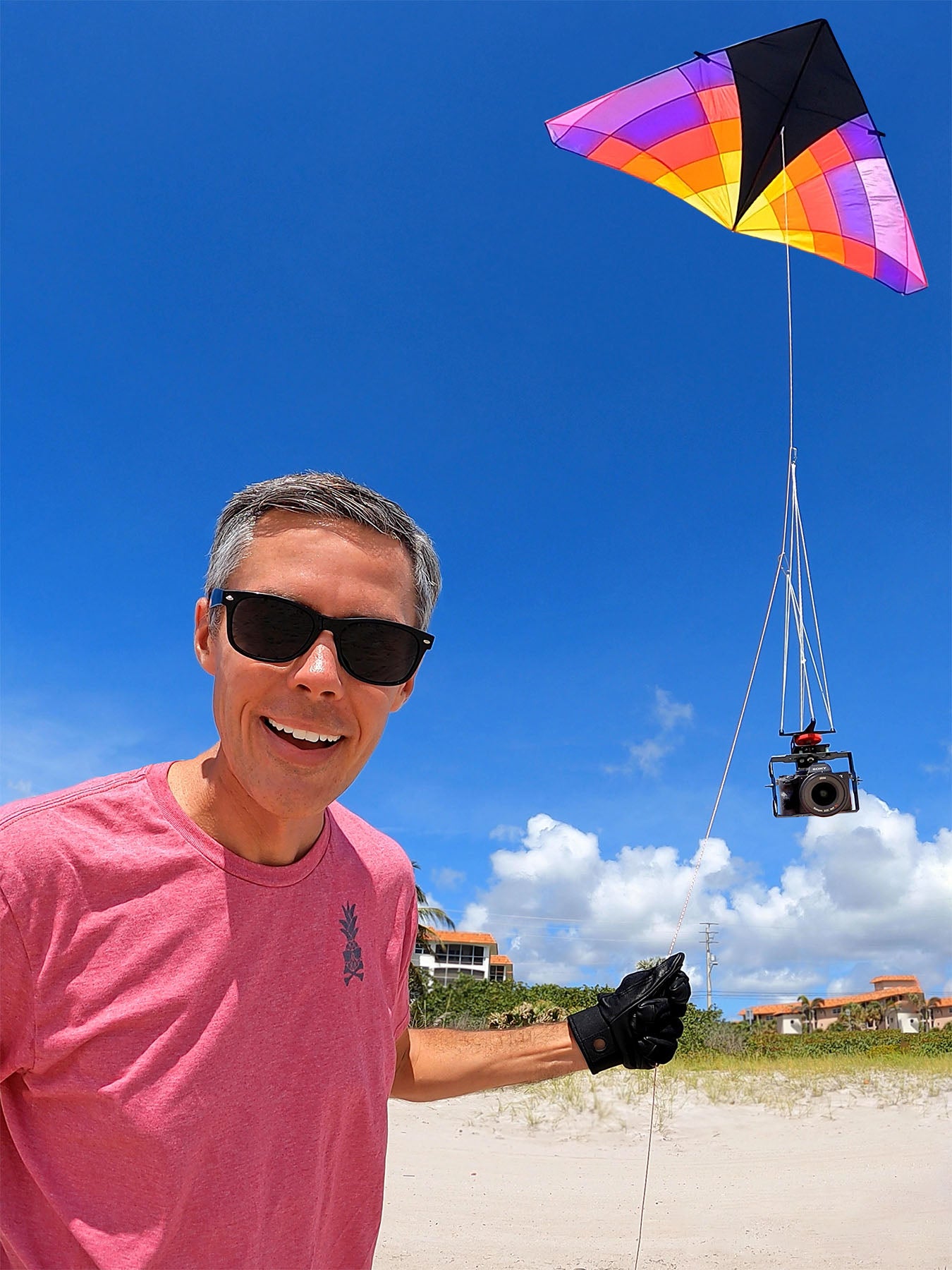
Kite aerial photography, often called KAP, is the art of lifting a camera into the sky with a kite to create photographs. The camera is suspended from the kite line about one hundred feet below the kite and is carefully controlled via remote control from the ground. This method reveals views that cannot be seen from the ground and cannot be matched by traditional aircraft.
How It Works
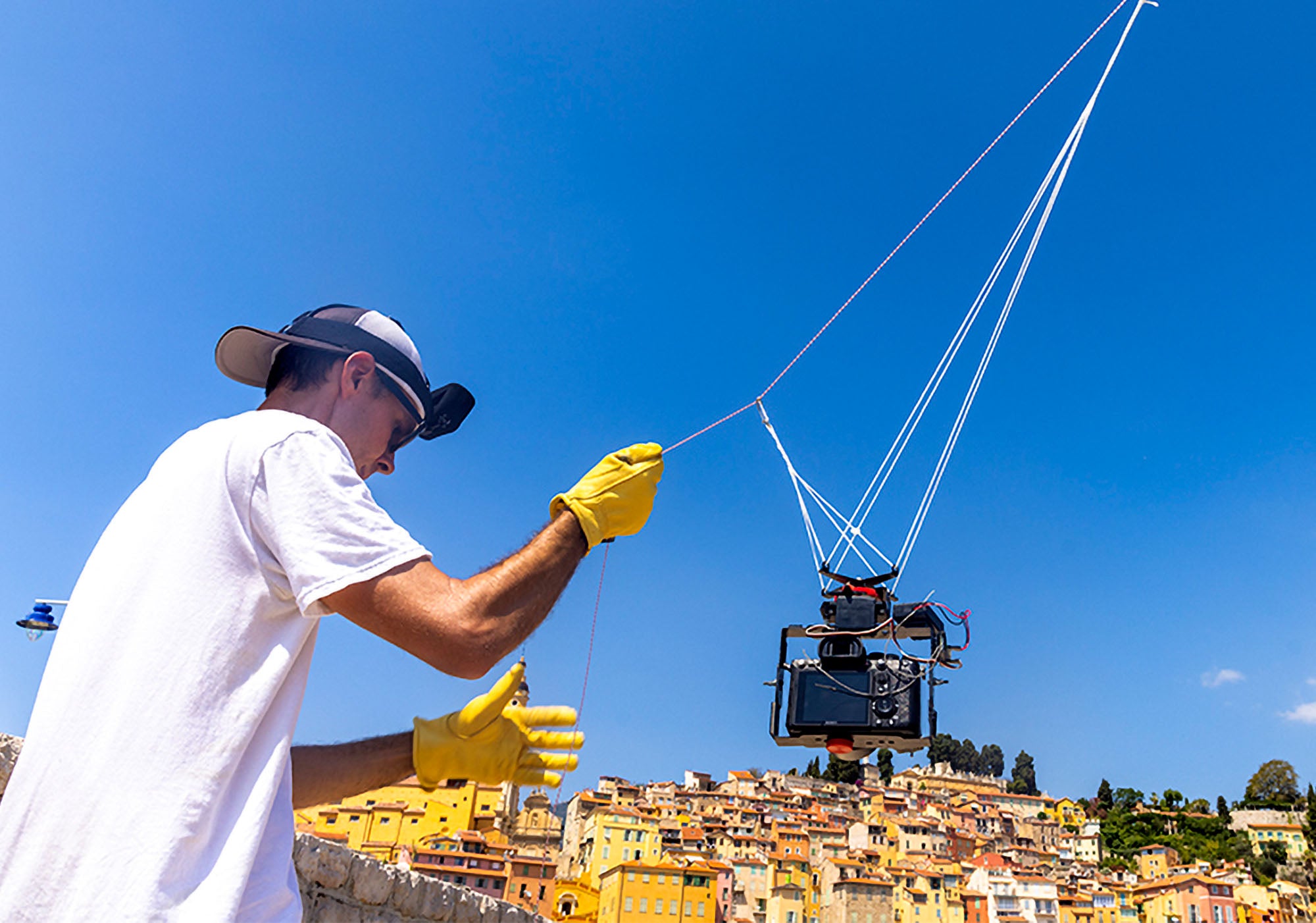
I use traditional single line kites, large enough to carry the weight of a professional full frame camera with a high quality prime lens and stable enough to provide a steady platform for the camera. The camera sits in a rig attached to the kite line, which is operated by remote control. This allows me to tilt, pan, and trigger the camera while it is flying high above me.
Why KAP Is Unique
Kite aerial photography offers perspectives that cannot be achieved with drones or aircraft. A kite can lift heavier, higher-quality cameras than most drones, producing images with greater depth and clarity. Kites are also not restricted in the same way drones are, which allows me to fly in places that would otherwise be inaccessible. Compared to an airplane or helicopter, a kite can position a camera much closer to the subject, capturing views that are more intimate and detailed. The process is slower and far more dependent on nature, which makes every successful image all the more rare.
The Experience
Flying a kite with a camera attached is both demanding and thrilling. It requires patience, persistence, and skill in both photography and kiting. I often spend hours waiting for the right balance of wind, light, and weather to align. At times it can be frustrating, but when the moment finally arrives and everything comes together, it is exhilarating. Each photograph represents not only a vision carefully planned but also the rare instant when nature allowed me to capture it.
Why It Matters to Collectors
Every finished photograph is the result of extensive planning, travel, patience, and technical expertise. Collectors value this rarity, knowing that each piece reflects persistence and a perspective that cannot be created in any other way.